




Call MCSRequest Care

Specialist support

Familiar care for someone living with dementia

Dementia affects people differently, so care starts by learning about the person: how they like to live, communicate and spend their day, and what helps them feel settled.

Ask about dementia care

Prefer to speak to someone? Call 020 8153 3774

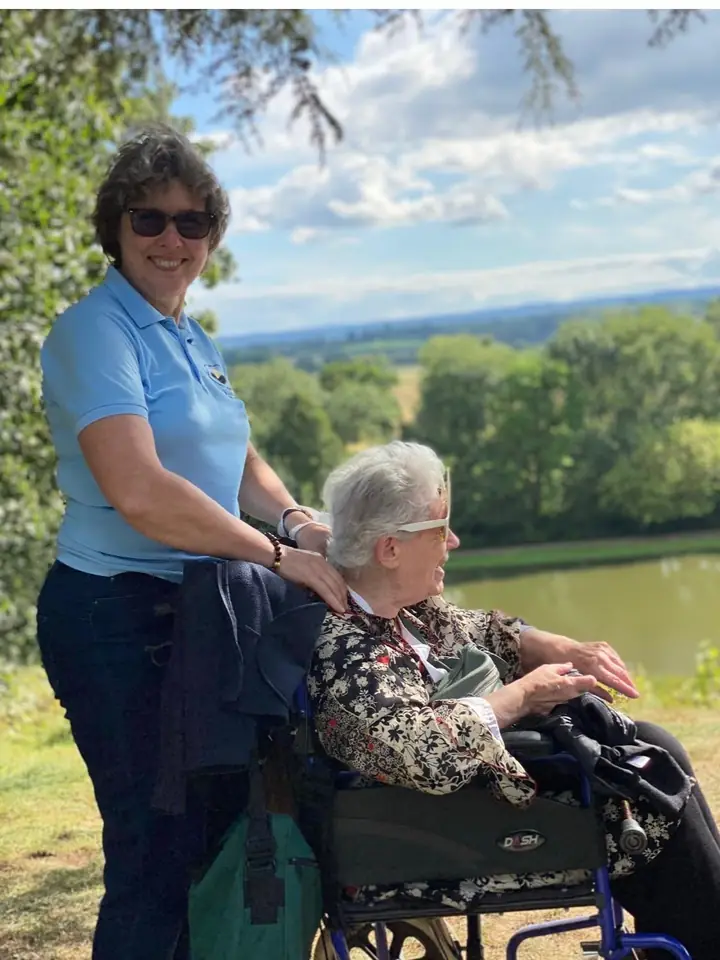
A Muzaana care worker pushing an older woman using a wheelchair beside a lake

Understanding the service

What dementia care at home means

Dementia care supports daily life at home while recognising the person beyond a diagnosis. It can help someone continue familiar routines, make everyday choices and receive personal care in a way that respects their identity.

Muzaana provides regulated personal care and practical help rather than treatment for dementia. The care plan follows what the person needs now and can change after review if their circumstances or preferences change.

What support can look like

What dementia care can include

The assessment looks at the person’s abilities, wishes and usual day. Carers then follow the support and approach agreed in the care plan.

  • Personal care

    A carer can help with washing, dressing, grooming, oral care and continence while asking first and protecting privacy.

  • Meals and drinks

    Support may include preparing familiar food, offering choices and allowing enough time for the person’s usual mealtime routine.

  • Familiar activities

    Music, reading, household routines, faith practices or a long-held interest can form part of a visit when the person wants them to.

  • Companionship

    Carers make time for conversation and shared activity, taking their cue from the person’s communication and mood that day.

  • Appointments and outings

    A carer may accompany the person after they and Muzaana agree the purpose, transport and other practical arrangements.

  • Light household help

    Visits can include small tasks linked to daily living, such as washing up, changing bed linen or keeping the immediate space tidy.

  • Medication support

    Any support with medication is assessed, agreed and recorded in the care plan.

  • Recording relevant changes

    Carers record and report relevant changes through the route agreed in the care plan so the right person can follow them up.

What to understand

Planning care around the person

Care begins with the person’s life

Good support depends on more than knowing which tasks need doing. We learn about the person’s history, relationships, culture, faith, food, preferred name, communication and the things that help them feel settled.

Carers use that knowledge to approach each visit in a familiar way. They pay attention to pace, tone of voice, body language and whether the person needs a pause or a simpler choice.

  • The routines and places that feel familiar
  • Important people, memories, beliefs and celebrations
  • Words, gestures or objects that help communication
  • What may cause distress and what has helped before

Making decisions about consent and capacity

A dementia diagnosis does not itself mean that someone lacks capacity. Capacity concerns one decision at one time, and the person should receive the time and support they need to make that decision wherever possible.

Relatives may contribute with the person’s permission. If the person cannot make a particular decision, involvement must follow the law and any valid authority; next-of-kin status on its own does not give someone legal authority.

Responding to distress or changes in behaviour

Distress or changes in behaviour can have many causes. A carer records what they observed, what was happening at the time and what appeared to help, then reports it through the agreed route rather than making a medical judgement.

What Muzaana can help with

  • Personal care given with consent, privacy and respect for the person’s preferred routine
  • Meals, drinks, companionship, familiar activities and agreed everyday household help
  • Recording and reporting relevant changes through the route written into the care plan
  • Support that follows the person’s communication, culture, faith and daily choices

What health professionals handle

  • GPs and dementia services are responsible for diagnosis, medical advice and treatment decisions
  • Muzaana does not diagnose dementia, prescribe treatment or replace advice from the person’s health professionals

How care begins

Starting care is simpler than you may think

  1. Step 1: Tell us what support is needed

    Tell us what is happening, what support may help and which routines or preferences matter to the person.

  2. Step 2: Have a care conversation and assessment

    We discuss the person’s needs, choices and day-to-day circumstances, including any risks or practical points that need a clear plan.

  3. Step 3: Agree the care plan and practical arrangements

    The written plan records the agreed support, how the person wants it provided and the practical arrangements that must be in place.

  4. Step 4: Start care and review it as needs change

    Care starts after the plan and arrangements have been agreed. Reviews allow the plan to change when the person’s needs, wishes or circumstances change.

Questions families ask

Answers before you decide anything

Does a dementia diagnosis mean the person has lost capacity?
No. A diagnosis does not itself mean that someone lacks capacity. Capacity concerns one decision at one time, and the person should receive support to decide wherever possible.
How can relatives take part in planning care?
The person can say who they want involved and what Muzaana may share. If they cannot make a particular decision, family involvement must follow the law and any valid authority; being next of kin does not create legal authority by itself.
Can a carer help with medication?
Any support with medication is assessed, agreed and recorded in the care plan.
What happens if a carer notices distress or changes in behaviour?
The carer records relevant observations and reports them through the agreed route. Muzaana does not make a diagnosis; the appropriate health professional can assess a medical concern.
Can care follow long-standing routines and beliefs?
Yes. The assessment should cover the person’s history, culture, faith, food, relationships, communication and familiar routines so the plan reflects the life they know.

What a family said about Muzaana

Each member of the Muzaana team is among the most helpful people I have ever encountered, and they quickly became like family.

Joseph-Benjamin CumberbatchFamily memberGoogle review

Talk to our care team

Tell us what helps the person feel at home

Share the routines, ways of communicating and parts of daily care that matter now. We can discuss an assessment and whether Muzaana’s home support fits the situation.

You can contact us for yourself, a family member or someone you support professionally.

Map data © OpenStreetMap contributors